




Authorities in China’s southern Guangdong province have reported more than 7,000 cases of the mosquito borne chikungunya virus since July, triggering urgent public health measures reminiscent of those seen during the COVID 19 pandemic. Foshan city has emerged as the epicenter, with strict hospital protocols now in place. Infected individuals are required to remain hospitalized for at least seven days or until they test negative, with mosquito nets installed around their beds to prevent further transmission.
Chikungunya, spread by the bite of infected mosquitoes, causes fever, rash, and severe joint pain that can sometimes linger for months or even years. While the disease is relatively rare in China, outbreaks are common in Southeast Asia and parts of Africa. Aside from Foshan, at least 12 other cities in Guangdong have reported infections. Nearly 3,000 cases were documented in the past week alone. The virus has even crossed into Hong Kong, where a 12 year old boy tested positive after traveling to Foshan.
Health authorities have stressed that the virus is not contagious from person to person. Instead, it spreads only when mosquitoes bite infected individuals and then bite others. Despite reassurances, public anxiety is rising. Chinese social media has been abuzz with concern. “This is scary. The prolonged consequences sound very painful,” one user posted on Weibo.
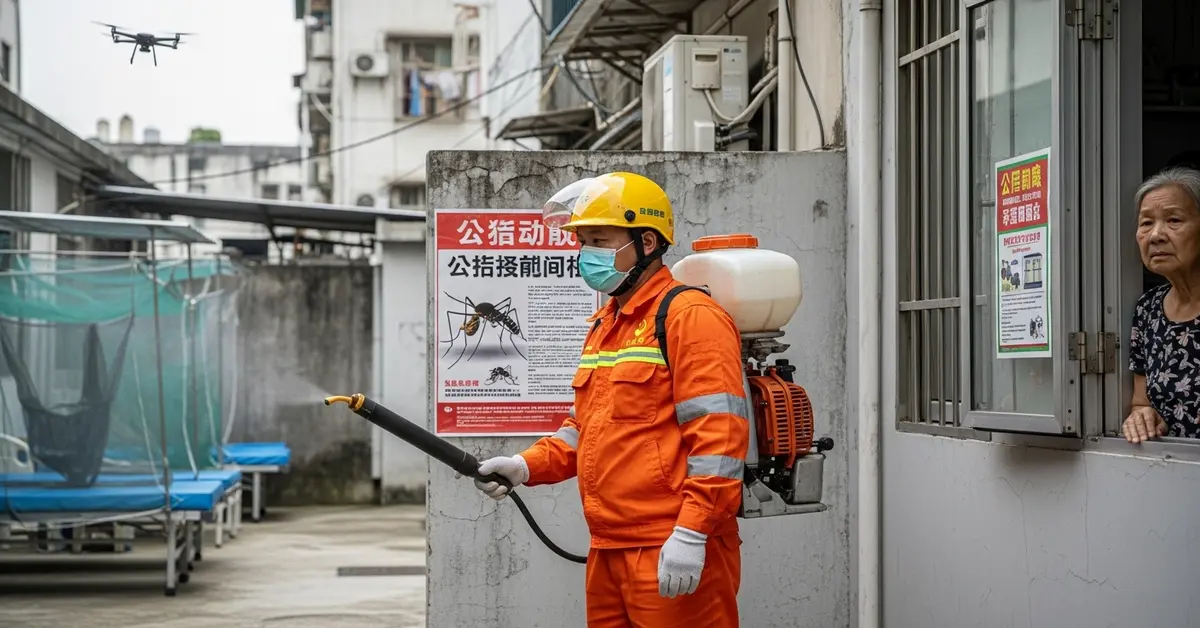
In response, local governments have launched aggressive containment campaigns. Residents are being fined up to 10,000 yuan ($1,400) if they fail to eliminate stagnant water sources around their homes. In addition, authorities are deploying mosquito eating fish, insecticide spraying teams, and even drones to detect breeding sites. In an innovative twist, “elephant mosquitoes” large, harmless predators of smaller mosquito species are being released to control the population.
While 95% of reported cases have been mild and resolved within a week, the scale of the outbreak has drawn international attention. The U.S. has issued a travel advisory, urging caution for Americans visiting China. According to the World Health Organization, reducing mosquito habitats remains the most effective way to control the spread of chikungunya.