



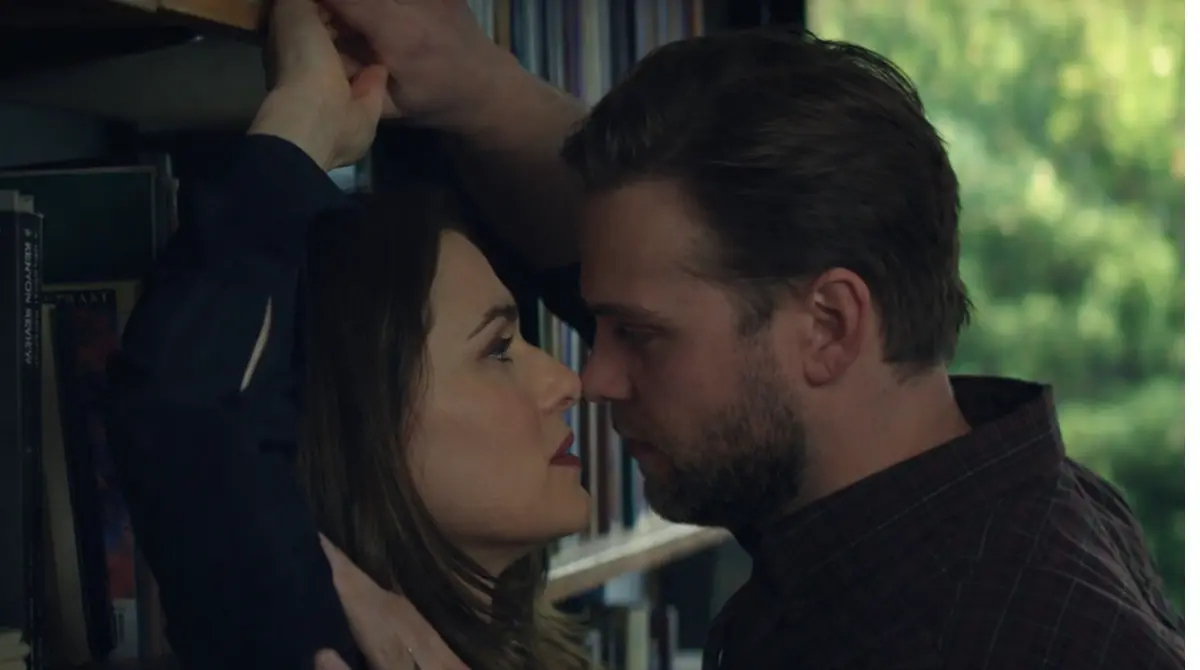

The Vladimir ending explained conversation matters because the series builds its finale around uncertainty, control and a protagonist whose version of events cannot always be taken at face value. Across the eight-episode campus drama, the unnamed professor becomes fixated on Vladimir while her personal and professional life continues to fracture around her.
Her marriage is already under pressure as her husband John faces Title IX allegations tied to former students. At the same time, her relationship with her daughter remains distant and her own stalled career sharpens her sense of dissatisfaction. That instability shapes the way she approaches Vladimir and helps explain why their long-awaited meeting becomes a turning point.
The finale gains extra weight because the adaptation changes the book’s conclusion rather than simply recreating it. Julia May Jonas and Rachel Weisz both frame the ending as provocative and surprising, while the series also emphasizes that desire itself may matter more to the protagonist than actually getting what she wants.
That makes Vladimir ending explained less about a single plot reveal and more about how the show wants viewers to interpret perception, truth and motive. The structural shift from the novel also positions the finale as a defining statement about the television version’s identity.