



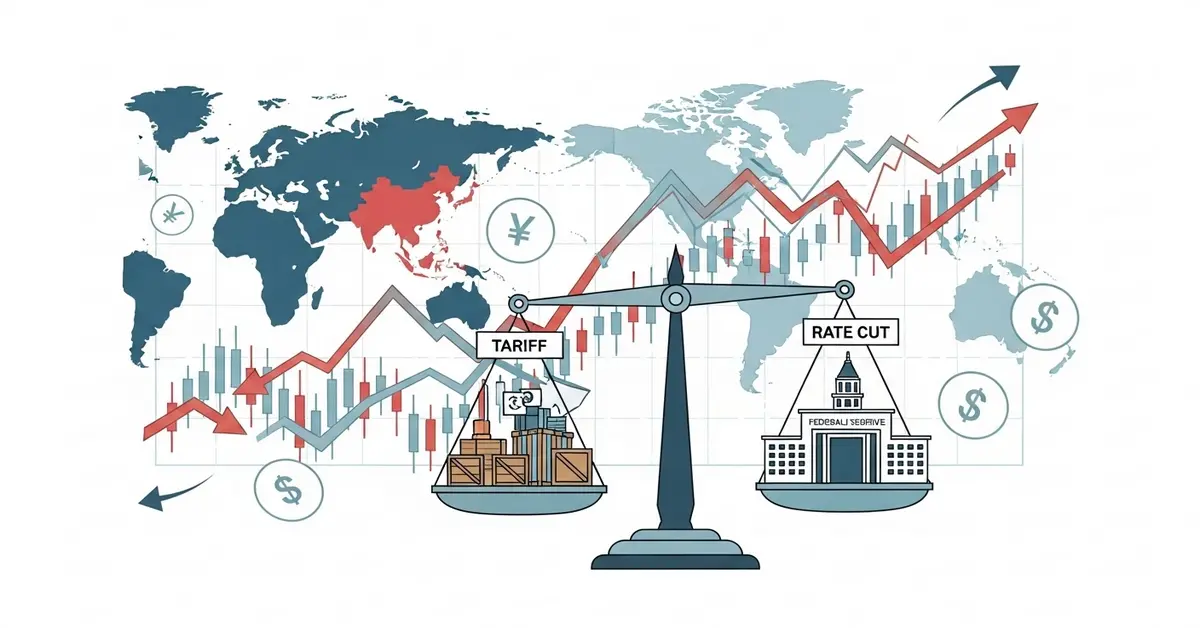

Asian markets swung between gains and losses on Monday, August 4, 2025. Investors reacted to weak U.S. job data, rising rate cut hopes, and new American tariffs.
U.S. employment numbers for July fell short of expectations. This raised chances of a Federal Reserve rate cut in September to nearly 90%. Treasury yields dropped, and the U.S. dollar weakened. These factors gave some lift to Asian stocks. However, sentiment remained cautious. Last week, President Trump announced new tariffs on goods from India, South Korea, Taiwan, Thailand, and Canada. The move added pressure to regional economies.
The MSCI Asia Pacific index (excluding Japan) edged up by 0.3%. Japan’s Nikkei, however, fell 2.1% as the yen strengthened. A stronger yen often weighs on Japanese exporters. Oil prices declined after OPEC+ announced fresh production increases. This added to supply and pushed Brent crude prices down. Tensions in the Middle East kept traders alert but didn’t stop the price drop.
In the U.S., strong earnings from tech firms like Meta and Microsoft offered some support to global markets. But broader concerns around trade and policy remained. The surprise firing of the U.S. Labor Statistics chief further clouded economic data reliability. Looking forward, investors are watching two key trends. First, how the Fed responds to economic weakness. Second, how countries react to the latest round of U.S. trade tariffs.
Summary Table:
| Market Factor | Effect |
| Weak U.S. jobs data | Rate cut hopes rose |
| New U.S. tariffs | Hit Asian trade outlook |
| OPEC+ supply increase | Lower oil prices |
| Strong tech earnings | Mild global market support |