


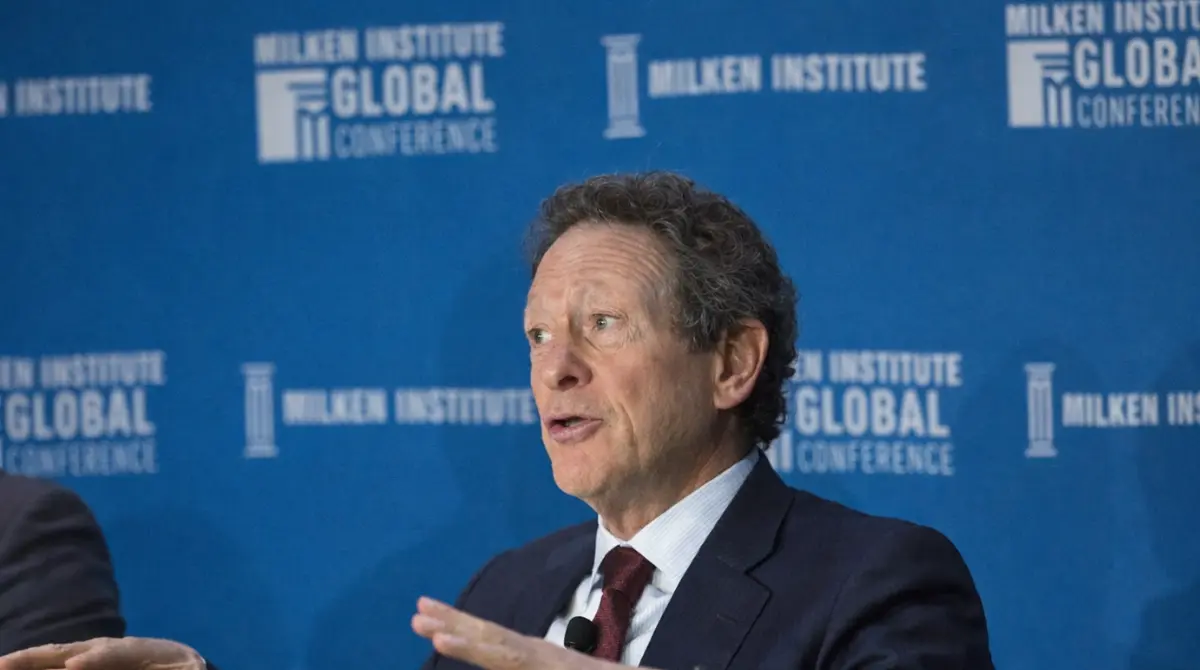

Hyatt governance transition moved to the center of corporate focus after Thomas Pritzker stepped down as executive chairman and confirmed he will not stand for re-election to the board. The decision was effective immediately, signaling a rapid governance response instead of a prolonged exit process.
In statements linked to his departure, Pritzker said his continued association with Jeffrey Epstein and Ghislaine Maxwell was a serious error in judgment and expressed regret. Newly surfaced records described years of contact, including correspondence and meetings that reportedly continued after Epstein’s prior conviction period.
The Hyatt governance transition also established a defined succession path, with current president and CEO Mark Hoplamazian moving into the chairman role. That immediate handover paired with a named successor points to board-level containment, continuity and risk control under heightened scrutiny.
This framing matters because the catalyst was renewed exposure from documentary records of past associations, not a newly alleged incident tied to Hyatt’s operations. As a result, the board’s risk calculus appears to have shifted quickly, with governance structure adjusted in real time to limit uncertainty and protect institutional stability.