


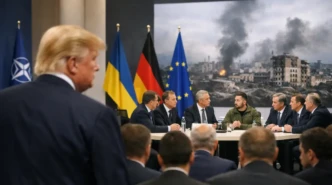
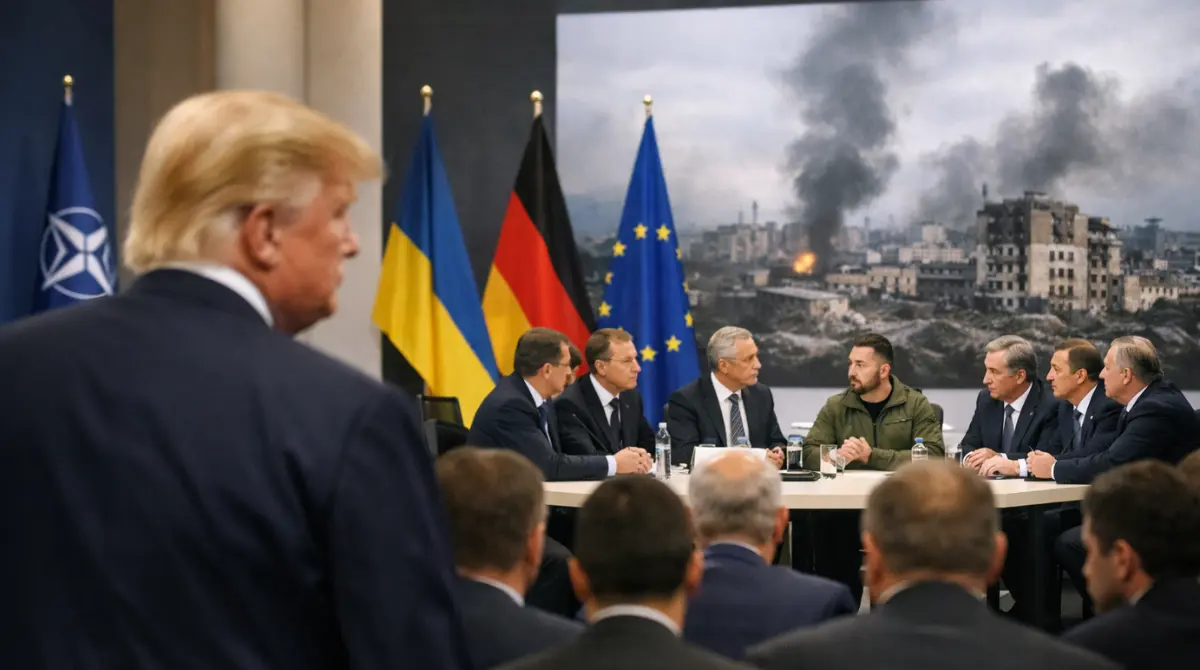

The Munich Security Conference opens February 13-15, 2026, bringing roughly 70 heads of state and government and more than 140 ministers to Munich under heightened security. This year’s agenda is shaped by uncertainty around transatlantic cohesion as leaders debate how far Europe can carry more of the defense load while still relying on U.S. capabilities.
The forum meets amid the wars in Ukraine and Gaza and the conflict in Sudan, with organizers warning the overlap of crises is unusually broad. U.S. policy under President Donald Trump, including tariff moves and recent talk around Greenland, has sharpened arguments about what NATO burden-sharing should look like in practice.
Europe has pledged higher military spending, but officials acknowledge a near-term capability gap that cannot be closed quickly. That mismatch makes this gathering a narrow negotiating window where Ukraine security commitments and longer-term European strategic autonomy must move in parallel, not one after the other.
Key dynamics expected to dominate closed-door sessions:
- Short-term Ukraine support and security guarantees
- Europe’s defense ramp-up timeline versus U.S. enabling capacity
- Political alignment strains alongside deeper military integration