


Leaders of the expanding BRICS group gathered in Rio de Janeiro for a two-day summit aimed at strengthening the bloc’s influence in global affairs and addressing growing concerns over international governance and economic protectionism.
Brazil’s President Luiz Inácio Lula da Silva opened the summit by warning of what he called the unprecedented collapse of multilateralism, calling on BRICS nations to play a central role in reshaping global institutions like the United Nations and the International Monetary Fund.
This year’s summit includes the participation of not only the original five BRICS members, Brazil, Russia, India, China, and South Africa, but also new entrants such as Egypt, Ethiopia, Iran, the United Arab Emirates, and Indonesia.
With more than 30 additional countries expressing interest in joining the group, BRICS now represents over half of the global population and accounts for nearly 40 percent of the world’s GDP.
The expanded membership has added momentum to the bloc but also presented fresh challenges in reaching consensus on key issues.
Diplomatic negotiations in the lead-up to the summit produced progress on some long-standing matters.
Foreign ministers reached a preliminary agreement to support Brazil and India’s bids for permanent seats on a reformed UN Security Council, although discussions on African representation were postponed.
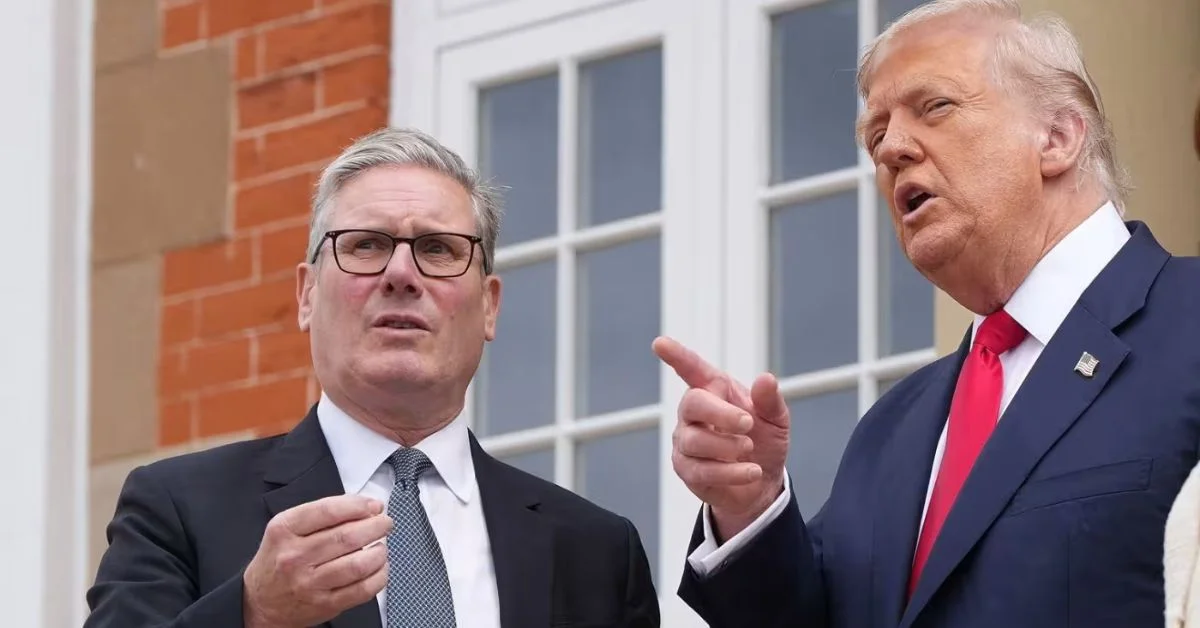
The bloc also issued a statement opposing unilateral trade restrictions, in a veiled criticism of recent tariff threats by former U.S. President Donald Trump, who pledged a ten percent tariff on countries aligning with what he described as anti-American BRICS policies.
The summit is notable for the absence of two major figures. Chinese President Xi Jinping opted to send Premier Li Qiang in his place, while Russian President Vladimir Putin is attending virtually due to an outstanding arrest warrant issued by the International Criminal Court.
Indian Prime Minister Narendra Modi and South African President Cyril Ramaphosa are attending in person, along with leaders from the new member countries.
Key issues on the summit agenda include reforming international financial institutions, expanding trade among member nations, and increasing the bloc’s coordination on global challenges such as climate change and development.
has proposed the creation of a new international fund focused on preserving tropical forests, aimed at bolstering environmental cooperation between countries with vast ecological resources.
In his remarks, President Lula criticized NATO’s military spending benchmarks and argued that such targets escalate conflict rather than promote peace.
He called instead for multilateral approaches rooted in diplomacy and economic fairness. The summit’s outcome will test BRICS’s ability to act as a unified bloc despite political differences and varying national interests among its members.
As the group seeks to position itself as a counterweight to Western-dominated institutions, its effectiveness will depend on whether it can convert shared goals into coordinated action.
The Rio summit marks a critical moment for BRICS as it navigates internal complexity and rising global expectations.