



Many Ukrainian soldiers who return home from the warzone carry more than just physical injuries. The constant sound of buzzing drones continues to affect their mental health, creating a new fear now being called “droneophobia.”
Key Highlights
- Soldiers suffer PTSD triggered by everyday sounds.
- FPV drones are used heavily in combat to track and kill.
- Civilians are also becoming targets of drone attacks.
- Trauma caused by drone sounds continues even far from the battlefield.
What Happened?
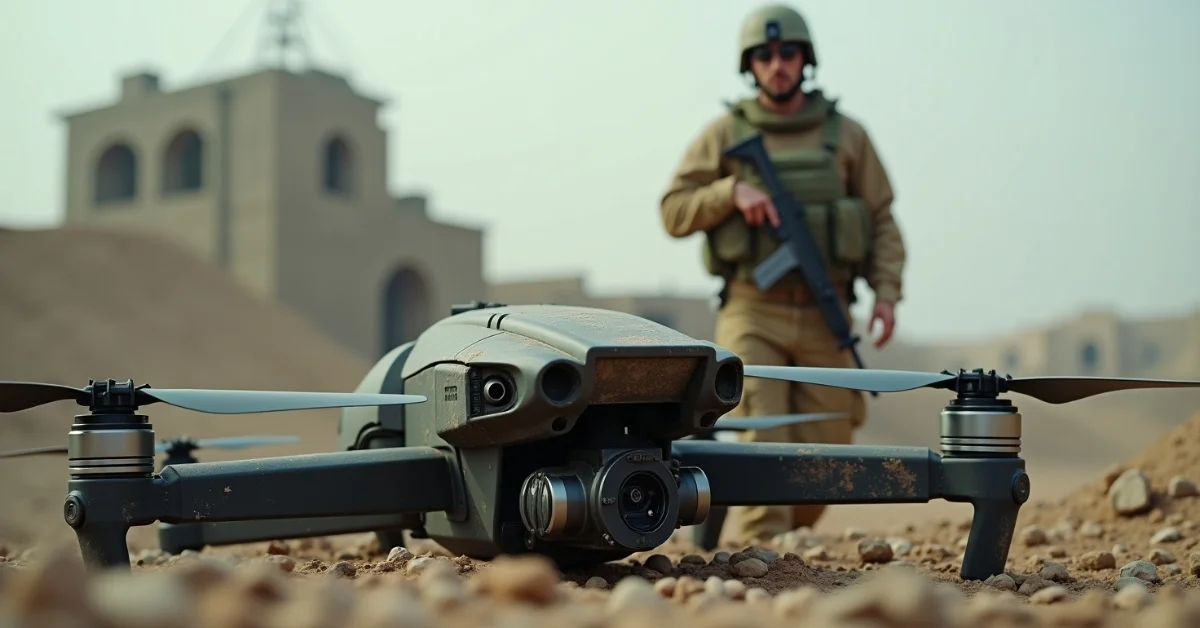
In a small apartment in Kyiv, Pavlo, a 30-year-old drone operator, tried to test a drone from his frontline days. The machine didn’t work, but its memory haunted him. Pavlo used to fly FPV (First-Person View) drones loaded with bombs in battle. These small, fast drones are now common weapons in Ukraine’s ongoing war.
FPV drones can chase soldiers through forests and even follow vehicles. Their loud buzzing sound alerts targets that they’re being hunted, but escaping them is almost impossible. “You cannot hide,” Pavlo said. “You pray and stay calm.”
Even at home, Pavlo can’t escape the sound. Motorcycles, lawnmowers, or even the buzz of bees can send him into panic. “Nature isn’t peaceful anymore,” he admitted. This growing fear of buzzing sounds has a name now: droneophobia.
Dr. Serhii Andriichenko, chief psychiatrist at Kyiv’s military hospital, said most soldiers now return with mental injuries, even if they weren’t physically wounded. Ordinary machines like scooters or air conditioners can instantly trigger fear. Another soldier, Savur, who lost his arm in a drone strike, said the sound still echoes in his mind.
Soldiers live with constant tension. Some freeze when they hear a sound, turn off the lights, or hide at home. Silence, too, is scary; it often means a drone is near. Surprisingly, forests now feel safer than cities, because thick trees block drones.
Drone warfare has also pushed the danger zone far beyond the battlefield. One soldier, Nazar Bokhii, lost both hands and an eye when a Russian FPV drone hit him as he celebrated a win. Though his fear response is small, he knows how drone noise causes panic, and his team once used that very sound to scare enemy soldiers into leaving cover.
But it’s not just soldiers anymore. Civilians in cities like Kherson face daily drone attacks. FPV drones are now being used to drop bombs on public places. Dmytro Olifirenko, a young border guard, was injured at a bus stop. “You always have to be alert,” he said. The mental stress of hearing drone-like sounds is constant.
What’s Next:
For many, both soldiers and civilians, the sound of drones has become an invisible enemy. It changes the way they see and hear the world around them. As drone warfare grows, so does the unseen mental toll it leaves behind.