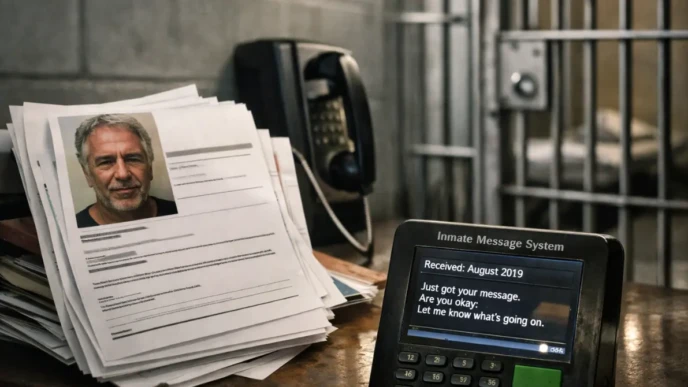



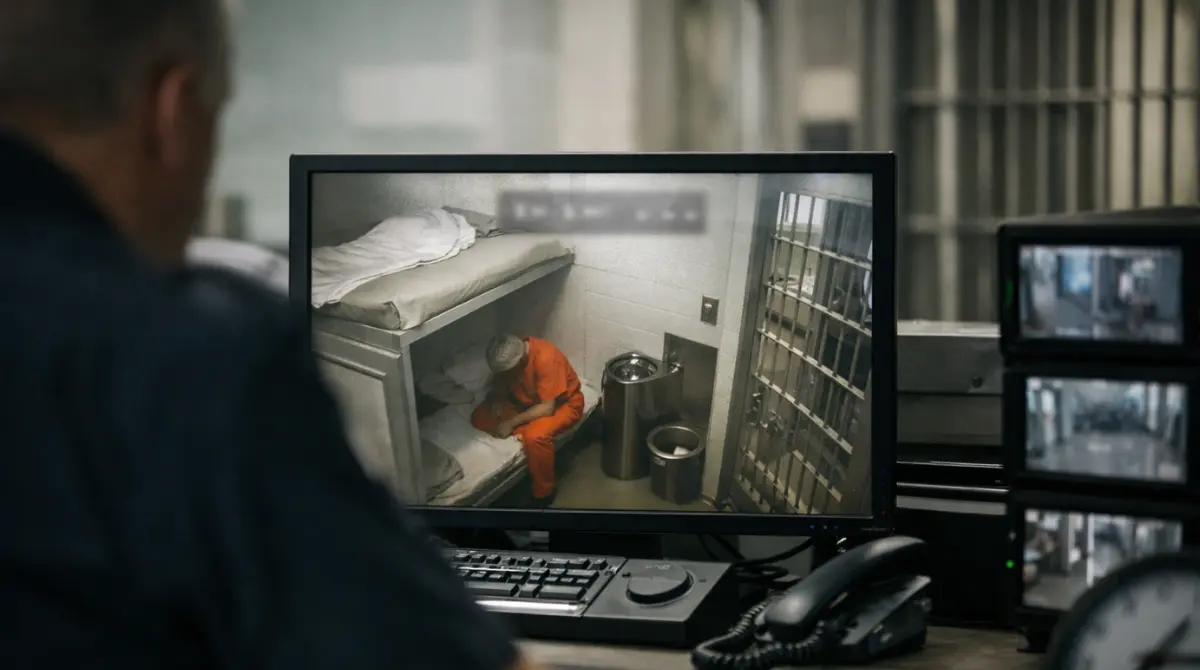

The investigation into the missing minute from Epstein jail video now centers on how federal authorities handled the original surveillance evidence after Jeffrey Epstein’s death at the Metropolitan Correctional Center.
In June 2024, an FBI agent received authorization to dispose of evidence item 1B60, described as the master recording of archived MCC video stored in a Bronx warehouse. By August 26, 2024, the case was considered closed, and a prosecutor concurred with the agency’s evidence handling procedures that led to the destruction of the master footage.
When the Justice Department required the video for public disclosure in mid-2025, the FBI reconstructed it from two NiceVision digital video recorder files. One file began at 7:40 p.m., the other at midnight. A 62-second gap between 11:58:58 p.m. and 12:00 a.m. could not be captured.
During reconstruction, agents converted screen captures into a compatible format and edited the clips together. Padding at the end of one segment was trimmed, contributing to timing discrepancies in the released version.
Attorney General Pam Bondi attributed the gap to a nightly system reset. However, an FBI digital forensics section chief described that explanation as speculative and untested.
Congress later released the full footage in September 2025, including the previously missing minute, which showed no notable activity. Newly disclosed documents indicate the gap stemmed from reconstruction after the master recording was destroyed, not from an inherent system failure.