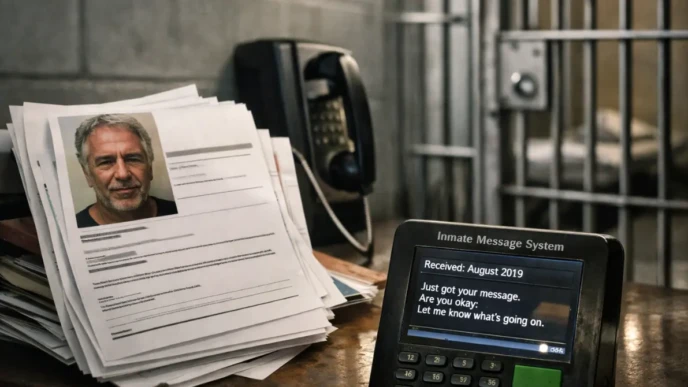



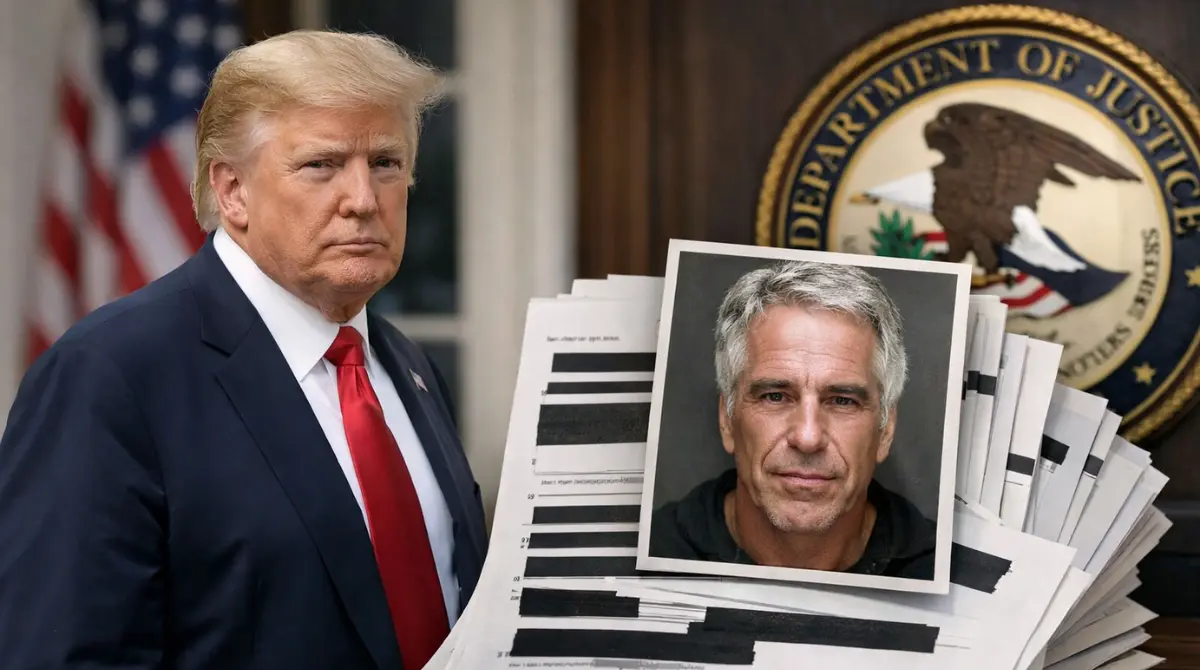

As the Epstein files release continues to draw national attention, newly released records summarize a 2019 FBI interview with former Palm Beach police chief Michael Reiter describing an alleged call from Donald Trump in July 2006, when Epstein’s first sex-crime charges became public.
According to the summary, Reiter said Trump told him he was glad authorities were stopping Epstein and claimed people had long known about Epstein’s conduct. Reiter also described Trump calling Ghislaine Maxwell “evil,” as cited in the document. The U.S. Justice Department said it is not aware of corroborating evidence that Trump contacted law enforcement 20 years ago. The White House press secretary said Trump had been candid about ending his association with Epstein and said the reported call may or may not have occurred.
DOJ Oversight Hearing and Victim-Privacy Concerns in the Epstein Files Release
Attorney General Pam Bondi is scheduled to face lawmakers on Wednesday over the Justice Department’s handling of the Epstein files, including disclosure of victims’ sensitive information despite redaction efforts. Democrats on the House Judiciary Committee plan to press the department’s decisions under the Epstein Files Transparency Act after the department said in July it would release no more files.
The current phase of the case centers on disclosure standards as much as document volume. The DOJ Epstein files release redaction dispute shows how transparency demands and victim-privacy safeguards now drive the core oversight questions.
The dispute now focuses not only on volume but on process and privacy protections, putting transparency standards and victim safeguards at the center of the Epstein files release debate. AP described the latest release as more than 3 million pages plus over 2,000 videos and 180,000 images, with reviews ongoing.