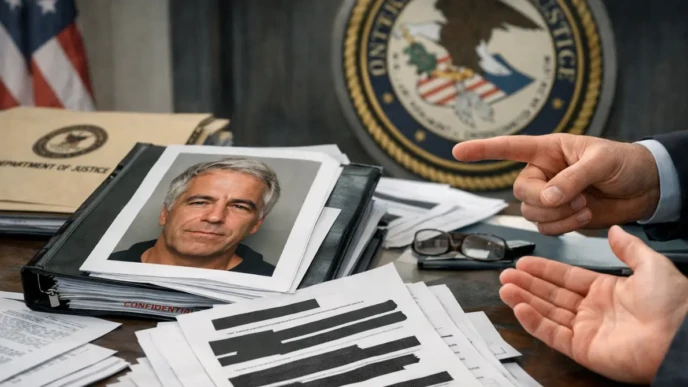



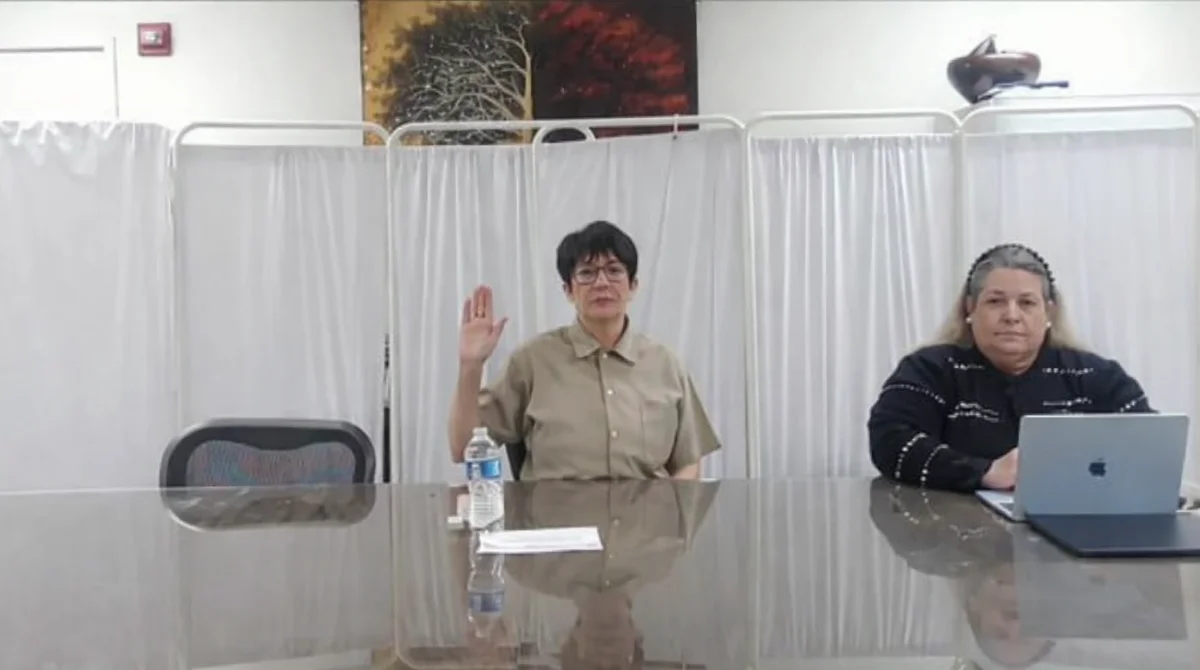

Ghislaine Maxwell appeared before US lawmakers this week but declined to provide answers about her ties to Jeffrey Epstein, intensifying frustration on Capitol Hill. The hearing was part of a broader congressional effort to uncover details about Epstein’s associates and how his crimes were handled by authorities.
During the closed-door deposition requested by the US House Oversight Committee, Ghislaine Maxwell repeatedly invoked her constitutional right against self-incrimination. As a result, lawmakers received little new information about Epstein’s activities or potential accomplices.
The session included members from both major political parties, reflecting bipartisan interest in the case. Committee Chair James Comer said the lack of cooperation limited Congress’s ability to clarify unanswered questions surrounding Jeffrey Epstein and his broader network.
Key Points From the Hearing
- Maxwell refused to give substantive testimony and cited the Fifth Amendment
- Lawmakers sought details on Epstein’s contacts and prior investigations
- Her legal team pointed to ongoing efforts to challenge her conviction
- Attorneys suggested she would testify if granted clemency or a pardon
Hearing Overview
| Topic | Details |
| Purpose | Examine Epstein’s network and official handling |
| Maxwell’s response | Refused to answer questions |
| Lawmakers’ reaction | Expressed bipartisan frustration |
| Next steps | More witnesses and document reviews planned |
The US House Oversight Committee said it will continue pursuing records and testimony as scrutiny around the Epstein case remains high.